Integrates with Strava in a very cool way, puts all the sets and weights into the description and makes a chart of the muscles worked. Yes — Fitbod and some advanced platforms use workout history and wearable data to suggest loads based on recovery. These tools estimate fatigue but don’t replace professional guidance. Each of the apps above has pros and cons depending on whether you prioritize simple logging, coaching features, or deep analytics. Log your workouts and track your progress on Hevy app while being part of an amazing community of 12+ million gym athletes. In contrast, those that try to excel in everything tend to lack essential features and feel cluttered.
You can also manually create a program yourself, but the app isn’t intended to record one-off workouts; it’s geared towards moving you through a program of weight-bearing exercises. As our expert reviewer Amanda Capritto points out, these options can offer the motivation and instruction to help athletes work a variety of different muscle groups. After building out your dream home gym, you might need a virtual hand in getting the most out of it. Our tester, a certified personal trainer, loves that the programming — a 5 out of 5 — follows the muscle-building principles of progressive overload. For advanced athletes looking for an intuitive way to log their workout sessions, Strong can be a viable solution.
Benefits of Workout Apps
Once you find a good fit, all that’s left to do is lace up your best weightlifting shoes and follow their lead. Our tester rated five categories 5 out of 5, including instruction and interactivity. “I liked how much communication you have with your prescribed coach, plus I found the video demos for each movement to be very well-done,” they noted.
Some apps offer cardio sessions that can be done on any equipment, while others, like Peloton, connect with their own machines to provide more detailed metrics and insights. If you prefer workouts that require little to no equipment, make sure the app you choose is designed with that in mind. Men’s fitness apps are stepping up their game with AI technology that delivers personalized strength programming based on your actual performance data. Leading platforms analyze workout metrics and create customized strength routines through advanced AI systems, adjusting daily workouts based on readiness surveys that track fatigue and motivation levels [18]. For guys pursuing serious muscle development, the best apps focus on progressive overload principles—the proven method for building real strength and size [18]. Some platforms offer over 1,000 training programs, including dedicated bodyweight plans tailored to different experience levels and fitness goals [12].
Best Weightlifting App for Beginners: Caliber
Based on your preferences and goals, the app creates a plan to help you build strength, master calisthenics skills, or improve your overall fitness. Let’s take a closer look at the 10 best fitness apps and discover what makes them stand out. Each app has been carefully reviewed to help you make an informed decision. We hope our seven recommendations narrow the list and that at least one meets your needs.
The Best Fitness Apps in 2025: Our Top 10 Recommendations
You can follow your own route or explore Strava’s massive network of roads and trails, built by millions of athletes worldwide. “The mapping tool makes it easier than ever to plan runs and workouts in advance, especially when following a training plan with specific distances and paces,” one runner noted. Then program the app to nudge you 30 minutes before the session and require a simple completion tap so habit momentum builds without overthinking. That seems complete, until you realize there is one benefit of gym apps that quietly changes everything about how people stay consistent. On accountability, our team also gave Reverse Health an overall 5 out of 5 rating.
Nike Training Club: Best Free Follow-Along Workout Classes
For example, Hevy generates graphs for each exercise and lets you track workout-to-workout performance, https://madmusclescommunity.com/ and shows previous workout values when logging a live session. While a handful of apps are free, many of these workout apps require a subscription. Take advantage of any trial period and then try a monthly subscription to see if the app meets your needs. If you like what you see, you can always switch to an annual subscription, which usually lowers your monthly cost. Other reviews have mentioned FitBod as the best weightlifting app for beginners – it’s definitely one of the easier apps to use!
Stefani is dedicated to providing readers with evidence-based content to encourage informed food choices and healthy living. She is an avid CrossFitter and a passionate home cook who loves spending time with her big fit Greek family. Shred also offers full-length studio classes in yoga, boxing, HIIT, and more.
AI Personal Trainer & Workouts
As a former collegiate athlete, Matt still can’t shake his competitive streak. In his free time, you’ll find him playing soccer, lifting weights, hiking, or doing anything outdoors. Once they got rolling, our tester was blown away by just how responsive the AI was to their feedback.
That’s a great way to make training feel more rewarding and sustainable, rather than a never-ending slog. Zapier is the most connected AI orchestration platform—integrating with thousands of apps from partners like Google, Salesforce, and Microsoft. Use forms, data tables, and logic to build secure, automated, AI-powered systems for your business-critical workflows across your organization’s technology stack. Strong is the simplest, most intuitive workout tracking experience.Trusted by over 3 million users worldwide. Strong is the simplest, most intuitive workout tracking experience.Trusted by over 5 million users worldwide. With the paid version, you’ll also get access to more detailed measurements, like neck, biceps, and shoulders.
Why You Should Use a Fitness App
- Progressive overload—gradually increasing workout difficulty—forms the foundation of effective strength training.
- However, as a personal trainer themselves, our tester thought all three levels deserved a 5 out of 5 for value.
- Here are the nine best fitness apps I found—and what each is best for.
- The most advanced apps incorporate personalization through AI-powered features that provide tailored performance insights based on your activity data [3].
- I found the template creation interface easy to navigate, and the exercise library was helpful to broaden my exercise horizons.
- This means you can flow through your training without the distraction of carrying your phone from room to room.
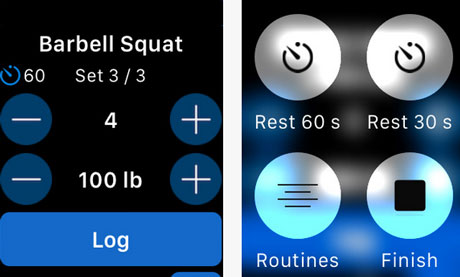
Hevy also worked nicely with my Apple Watch, which meant I didn’t have to hold—or keep checking—my phone the whole time. If you like to decide whether it’s leg day based on how you felt when you rolled out of bed, you probably won’t like this fitness tracker. But when paired with a Fitbit device, you get a lot more from the Fitbit app—including much more accurate activity tracking. I was able to pick up a used wearable device on Facebook Marketplace for about $40, though a brand-new one can cost significantly more.
Best workout app for personal training
Of course, it’s important to point out that there are no actual workouts on Strava, so unlike other apps on this list, don’t expect to follow a strength training session — this is an app for tracking your progress. SWEAT’s app is clean and easy to navigate, with the ability to save workouts for later and browse ‘On Demand’ workouts from other trainers outside of your plan. This allows you to follow workouts without your phone, displaying exercises, reps, timers, and haptic alerts for section changes. Metrics such as active heart rate, calories, steps, and distance are tracked, too, and demo videos are also available on the watch, though trainer audio is not. If you’re looking to train at home or in the gym, using one of the best workout apps can help you access motivational, qualified personal trainers in just a few taps.
“It creates running workouts with interval variations based on the time I want to exercise—great for mixing up my routine.” Start with graded bodyweight progressions, then select two reliable substitutions for every barbell movement to maintain session integrity. When space or gear is limited, prioritize work capacity and tempo control, not heavy loads. Structure workouts around movement quality and consistent weekly volume, because small, regular stimulus beats sporadic, heroic sessions in the long run.
Best fitness app for busy people
If you have an Apple Watch, the app makes it convenient to access it and view your metrics on the smartwatch during your workouts as well. If you own an iPhone, it’s a no-brainer to sign up for a workout app that is already built into your smartphone and allows you to work out anywhere. When I tried out this app, I signed up for a kettlebell class called Body & Bell, and what’s great is you get video demonstrations for the different exercises you’ll be doing. The videos also tell you the type of weight you should be using (light, medium, heavy) and the length of time of the exercise.
Programs Built Around Progressive Overload
Strong is our top pick for athletes that have sweat their way through more than a few of the best weightlifting belts. Our tester, an Olympic weightlifter, credits the in-depth tracking capabilities of apps like Strong with maintaining their level of readiness and motivation. If you do opt for the Premium version, you’ll match with several certified trainers and choose one based on your preferences and goals.
Recent Comments